A Street Food Lover's Guide to Asia
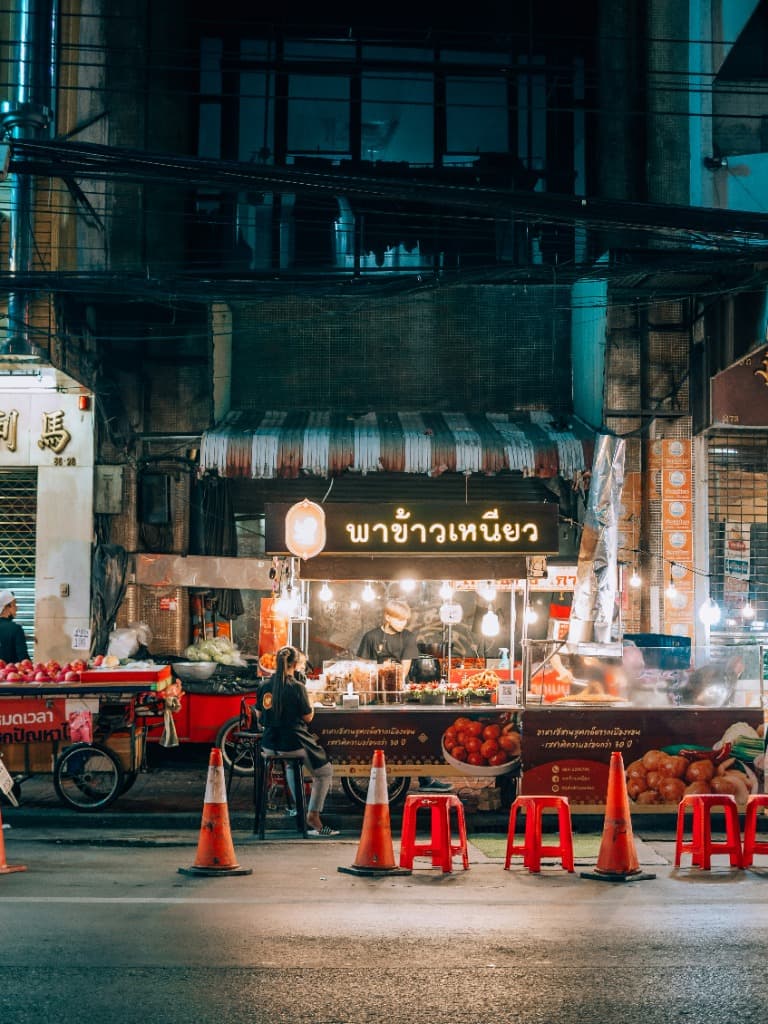
Why Asian Street Food is in a Class of Its Own
In Asia, the street isn't just where you eat — it's where some of the most innovative, skilled, and deeply traditional cooking in the world happens. Hawker stalls where cooks have perfected a single dish over 40 years, plastic stools on sidewalks beside smoking woks — this is where the real food is.
Thailand: The Symphony of the Wok
No discussion of Asian street food is complete without Pad Thai. But beyond the familiar, Thailand's street food landscape includes spicy Pad Kra Pao (basil stir-fry), creamy boat noodles, and Mango Sticky Rice for dessert. In Bangkok's Chinatown (Yaowarat), the night market is a city within a city.
Japan: Precision in the Street
Japanese street food reflects the national ethos of mastery and precision. Osaka is considered the street food capital, home to Takoyaki (octopus balls in crispy batter with mayo and bonito flakes), Okonomiyaki (savory pancakes), and Kushikatsu (deep-fried skewers). Each vendor specializes in one thing and does it perfectly.
Vietnam: The Power of Freshness
Vietnamese street food is defined by the use of fresh herbs — mint, cilantro, perilla, and Thai basil — to balance rich broths and fatty proteins. The iconic Bánh Mì sandwich is a perfect example: crispy French baguette filled with Vietnamese pâté, pickled vegetables, fresh chilies, and herbs. Phở stalls often open as early as 5am, serving a silky bone broth that has simmered for 12+ hours.
India: A Riot of Spice
India's street food culture is as diverse as its geography. Mumbai's Vada Pav (spiced potato fritter in a bread roll) is the ultimate street snack. Kolkata has its Kati Rolls. Delhi is famous for Chole Bhature and Golgappa (crispy shells filled with spiced water). The unifying factor is the bold, complex spicing that makes every bite an event.
Taiwan: The Night Market Experience
Taiwanese night markets are a cultural institution. Shilin Night Market in Taipei is world-famous for Scallion Pancakes, Oyster Omelets, and the giant deep-fried chicken cutlet (Ji Pai) — a piece of chicken pounded thin, breaded, fried, and seasoned with basil and chili powder. It's a must-eat experience.
Tips for the Street Food Traveler
Look for the busy stalls — a high turnover means fresher food. Eat where the locals eat. Don't be afraid to point and order. Carry hand sanitizer but don't skip the street food out of fear; it's among the safest, freshest food you'll find because it's cooked to order right in front of you.
Professional Chef Secrets & Pro Tips
Elevating your culinary skills from a standard home cook to an instinctual chef requires understanding not just what recipes say, but why ingredients behave the way they do. Professional kitchens operate on efficiency, mise en place, and sensory awareness. Always taste your food at every stage of cooking, adjust seasoning gradually, and pay attention to auditory cues — like the sound of sizzling or the gentle bubbling of a simmer.
- Mise en Place: Chop, measure, and organize all ingredients in small bowls before turning on the heat. This prevents burning and frantic mistakes.
- Salt Management: Salt ingredients in layers rather than solely at the end. Salt draws moisture, enhances sweetness, and penetrates deeply into proteins.
- Temperature Control: Preheat your pans and ovens properly. Adding cold ingredients to a lukewarm pan causes sticking and steamed, soggy food rather than crisp golden browning.
- Acid Balance: When a dish tastes flat despite having enough salt, it usually lacks acid. A splash of lemon juice, sherry vinegar, or white wine instantly brightens heavy flavors.
Common Mistakes to Avoid & Troubleshooting
Even experienced cooks occasionally run into hurdles. Here are the most frequent pitfalls and how to easily remedy them in your own kitchen:
- Overcrowding the Pan: Trapping steam between food items prevents the Maillard reaction. Cook in batches if necessary to keep high heat circulating.
- Rushing the Rest Period: Cutting into roasted meat or baked breads immediately after cooking causes all trapped juices and steam to pour out, resulting in dry texture.
- Using Dull Blades: A dull knife requires excessive force and is significantly more dangerous than a razor-sharp blade that glides effortlessly through ingredients.
- Neglecting Residual Heat: Food continues to cook for 3-5 minutes after leaving the pan. Remove delicate items like eggs or fish just slightly before desired doneness.
Frequently Asked Questions (FAQ)
Q: How do I store leftovers without sacrificing texture? A: Cool food completely to room temperature before covering. Trapped condensation inside warm containers makes crispy skins soggy and accelerates spoilage.
Q: What is the best way to develop an intuitive palate? A: Taste components raw, during cooking, and after resting. Keep a small spice tasting notebook and experiment with one new herb or spice each week.