Fermenting at Home

Unlock Probiotic Power
Fermentation is an ancient preservation method that not only makes food last longer but also makes it significantly healthier by introducing beneficial bacteria to your gut. It's the secret behind some of the world's most flavorful ingredients, from sourdough bread to rich miso paste.
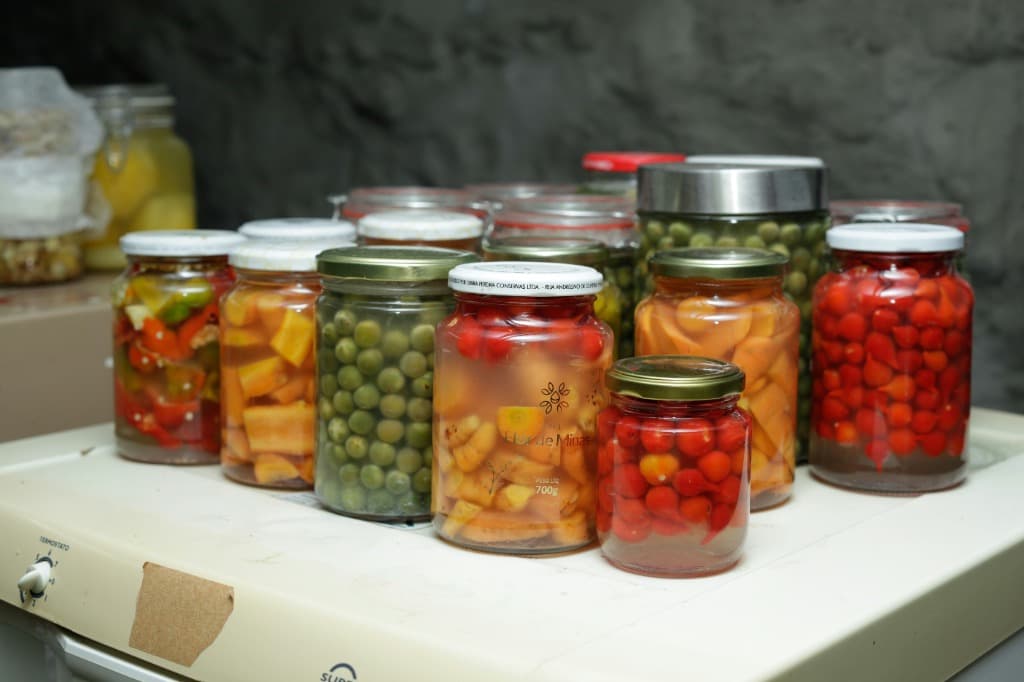
Essential Tools for Beginners
Before you begin, you don't need a lot of fancy equipment. A few wide-mouth glass mason jars, some fermentation weights (or even smaller glass jars filled with water to weigh down your vegetables), and a breathable cloth cover or an airlock lid are all you really need to get started safely.
Lacto-Fermentation Basics
This is the core process used for making tangy pickles and crunchy sauerkraut. The magic happens when you submerge vegetables in a saltwater brine. The salt inhibits harmful, putrefying bacteria while allowing beneficial Lactobacillus bacteria to flourish. These good bacteria convert the natural sugars in the vegetables into lactic acid, which preserves the food and gives it that signature tang.
The Golden Rule: Keep It Submerged
The most important rule in lacto-fermentation is 'under the brine, all is fine.' Oxygen is the enemy of lacto-fermentation and can lead to mold. By ensuring your vegetables are completely submerged in the brine, you create an anaerobic environment where only the good bacteria can survive.
Brewing Your Own Kombucha
Using a SCOBY (Symbiotic Culture of Bacteria and Yeast), you can transform simple sweetened black or green tea into a fizzy, tangy, and incredibly healthy beverage. The SCOBY consumes the sugar during the primary fermentation, leaving you with a low-sugar, highly probiotic drink. You can then bottle it with fruit juices for a secondary fermentation to create natural carbonation.
Safety First and Troubleshooting
Always ensure your jars and hands are meticulously clean before starting. It's normal for the brine to become cloudy and for some white sediment to form at the bottom. However, if you see fuzzy mold (black, green, or pink) growing on the surface, or if it smells putrid (as opposed to pleasantly sour or yeasty), discard the batch immediately and start over. Trust your senses!
Professional Chef Secrets & Pro Tips
Elevating your culinary skills from a standard home cook to an instinctual chef requires understanding not just what recipes say, but why ingredients behave the way they do. Professional kitchens operate on efficiency, mise en place, and sensory awareness. Always taste your food at every stage of cooking, adjust seasoning gradually, and pay attention to auditory cues — like the sound of sizzling or the gentle bubbling of a simmer.
- Mise en Place: Chop, measure, and organize all ingredients in small bowls before turning on the heat. This prevents burning and frantic mistakes.
- Salt Management: Salt ingredients in layers rather than solely at the end. Salt draws moisture, enhances sweetness, and penetrates deeply into proteins.
- Temperature Control: Preheat your pans and ovens properly. Adding cold ingredients to a lukewarm pan causes sticking and steamed, soggy food rather than crisp golden browning.
- Acid Balance: When a dish tastes flat despite having enough salt, it usually lacks acid. A splash of lemon juice, sherry vinegar, or white wine instantly brightens heavy flavors.
Common Mistakes to Avoid & Troubleshooting
Even experienced cooks occasionally run into hurdles. Here are the most frequent pitfalls and how to easily remedy them in your own kitchen:
- Overcrowding the Pan: Trapping steam between food items prevents the Maillard reaction. Cook in batches if necessary to keep high heat circulating.
- Rushing the Rest Period: Cutting into roasted meat or baked breads immediately after cooking causes all trapped juices and steam to pour out, resulting in dry texture.
- Using Dull Blades: A dull knife requires excessive force and is significantly more dangerous than a razor-sharp blade that glides effortlessly through ingredients.
- Neglecting Residual Heat: Food continues to cook for 3-5 minutes after leaving the pan. Remove delicate items like eggs or fish just slightly before desired doneness.
Frequently Asked Questions (FAQ)
Q: How do I store leftovers without sacrificing texture? A: Cool food completely to room temperature before covering. Trapped condensation inside warm containers makes crispy skins soggy and accelerates spoilage.
Q: What is the best way to develop an intuitive palate? A: Taste components raw, during cooking, and after resting. Keep a small spice tasting notebook and experiment with one new herb or spice each week.